
our blogs
Current Post

Seasonal Effective Disorder, a Not-So-Sunny Disposition
Jackie Gamble, MA, LPCC-S
Counselor, Insight Clinical Counseling and Wellness, LLC
You know that first random day in March where it is 60 degrees and us Ohioans are out barbecuing and feeling euphoric?
Well, that’s months away again.
Starting in late fall it feels quite the opposite to those random early spring days. It gets darker earlier, less sunlight, and putting on your pajamas at 5:00 pm seems all too reasonable.
For many of us this is a pretty typical period of adjustment; however, the feelings of wanting to hibernate can start to combine with other symptoms like sadness, low energy, disinterest in hobbies, and difficulty with following through on tasks and obligations. These mix of symptoms with the onset of fall and winter can be signs of Seasonal Affective Disorder (SAD, what an ironically perfect acronym).
Being aware of these patterns can be helpful to finding the resources early rather than suffering until that random sunny March day.
In Ohio, we are the 4th cloudiest state which contributes to vitamin D deficiencies and onset of early darkness can cause issues with melatonin levels that are also correlated with SAD (NAMI). Taking your vitamins per your doctor’s recommendations and getting your vitamin D levels checked could help with alleviating SAD symptoms. Sitting in the sun for 20 minutes can help get your daily vitamin D requirements (put your winter hat on and get out there)!
Of course, an exercise routine has always been linked with improvement of depressive symptoms. Start looking into ideas to keep yourself active. Remember, the best exercise is the one you’ll do!
Creating a plan and calendar for daily, weekly, and monthly things to look forward to can help SAD, well, be less sad. Identify small things you can do daily (maybe stop for your favorite coffee, call that funny friend, or watch your comfort TV show) all the way to bigger things such as planning a trip, visiting friends/family, picking up your favorite comfort food, exploring a new place or hobby. Perhaps Donna and Tom from Parks and Rec could guide you on a Treat Yo’ Self Day (Season 4: Episode 4) – when the budget allows.
Other treatments for SAD are:
- light boxes (https://namiwc.org/2018/04/25/depression-responds-to-bright-light-therapy/)
- antidepressant medications
- therapy (Insight can help you with this!)
While we’re all looking forward to that random warm day in early spring, don’t suffer until then if you notice these symptoms. Reach out for support to us here at Insight and your primary care physician.
Latest Posts
Psychotropic Medication: Is It Right for You?
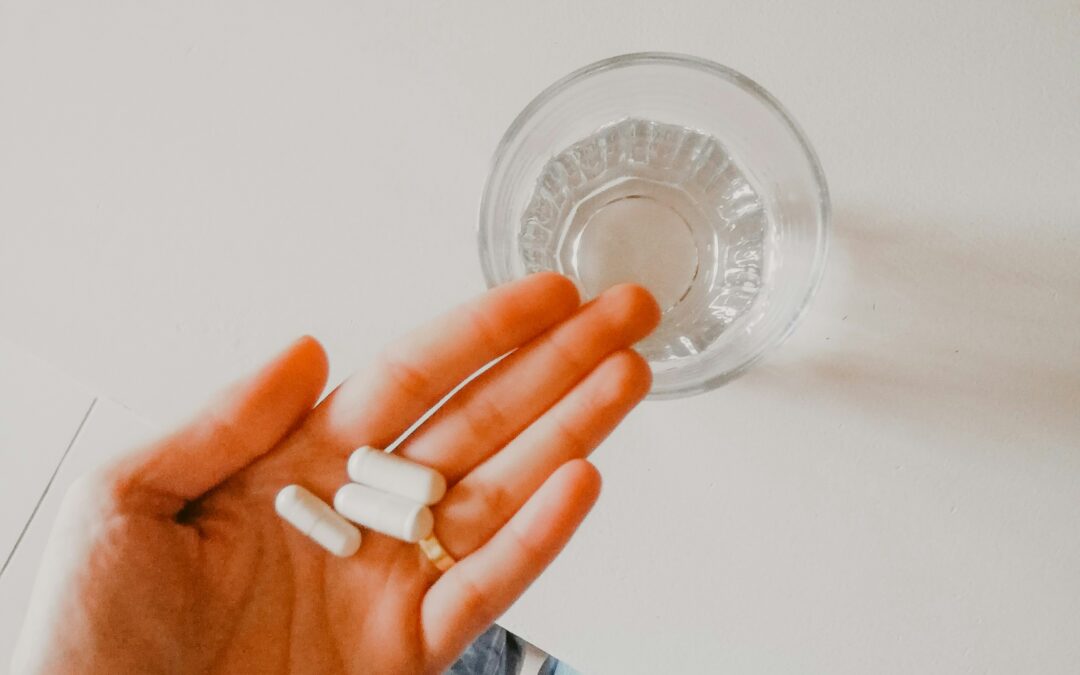
We take medication when we have a virus, disease, pain, and/or chronic physical illness, in which most of the time we don’t think twice about taking. When it comes to medication for mental health, that is often stigmatized by us, as individuals, and the community around us. Psychotropic medication can typically fall under the following types: Anti-anxiety, anti-depressant, mood stabilizer, and antipsychotics.

Take a Moment – Mental Health Awareness Month
May is mental health awareness month, and this year’s campaign is “Take a Moment.” The National Alliance on Mental Illness (NAMI) promotes mental health year round; however during this green ribbon recognition month, they are promoting “Take a Moment.”

What is Dialectical Behavior Therapy (DBT)?
Are you struggling to regulate your emotions? Would you like to learn how to respond to difficult situations more effectively? If you’re human, I bet you answered yes to one or both of these questions! However, sometimes emotions can be experienced too quickly, too frequently, and too intensely. If this is your experience, Dialectical Behavior Therapy (DBT) can help!
Request Appointment
Contact

Copyright © 2024 Insight Clinical Counseling & Wellness, LLC. All Rights Reserved.
Our Locations
follow us
Instagram
Facebook
LinkedIn